





Tactical backpacks for the army are not just simple carriers; they are highly specialized pieces of equipment designed to meet the diverse and demanding needs of military personnel. As a supplier of tactical backpacks for the army, I have witnessed firsthand the wide range of styles that these backpacks can take. In this blog, I will explore how the style of a tactical backpack for the army varies and what factors contribute to these variations.
1. Mission - Specific Design
One of the primary factors influencing the style of army tactical backpacks is the specific mission for which they are intended. Different military operations require different types of equipment and supplies, and the backpacks are designed accordingly.
Combat Missions
For combat missions, backpacks need to be rugged, durable, and able to carry a significant amount of gear. These backpacks often have a large capacity, with multiple compartments and pockets to organize weapons, ammunition, communication devices, and other essential items. They are typically made from high - strength materials such as Cordura nylon, which can withstand harsh environments and rough handling. The style is usually more utilitarian, with a focus on functionality rather than aesthetics. For example, they may have MOLLE (Modular Lightweight Load - carrying Equipment) webbing on the exterior, allowing soldiers to attach additional pouches and accessories as needed.
Reconnaissance Missions
Reconnaissance missions require backpacks that are lightweight and easy to carry for long distances. These backpacks are designed to hold only the essentials, such as a map, compass, binoculars, a small amount of food and water, and a first - aid kit. They are often smaller in size and have a more streamlined design to reduce bulk and improve mobility. Some reconnaissance backpacks may also have features like a hidden carry system for a weapon, allowing soldiers to move stealthily.
Special Operations
Special operations backpacks are designed for the most demanding and specialized missions. They need to be highly customizable to meet the unique requirements of each operation. These backpacks may incorporate advanced technologies, such as anti - RFID (Radio - Frequency Identification) shielding to protect sensitive information, or built - in hydration systems. The style can vary greatly depending on the specific nature of the operation, but they generally combine high - end materials and innovative design features.
2. User Preferences and Body Type
Another important factor in the style variation of army tactical backpacks is the user's preferences and body type. Different soldiers have different ways of carrying their gear and different physical characteristics, which can influence the choice of backpack style.
Shoulder Straps and Harness Systems
The shoulder straps and harness systems of a tactical backpack play a crucial role in comfort and load distribution. Some soldiers prefer wide, padded shoulder straps for maximum comfort, while others may opt for a more minimalist design for better ventilation. The harness system can also vary, with some backpacks having a traditional two - strap design and others featuring a more advanced three - point or four - point harness for improved stability.
Waist Belts
Waist belts are another area where user preferences come into play. A well - designed waist belt can help transfer the weight of the backpack from the shoulders to the hips, reducing fatigue. Some soldiers like a thick, padded waist belt, while others prefer a thinner, more flexible one. The length and adjustability of the waist belt also need to be considered to ensure a proper fit for different body types.
Backpack Size and Fit
The size and fit of the backpack are essential for both comfort and functionality. A backpack that is too large or too small can be difficult to carry and may not hold the necessary gear properly. Different body types require different backpack sizes and shapes. For example, a taller soldier may need a backpack with a longer torso length, while a smaller soldier may benefit from a more compact design.
3. Technological Advancements
The rapid pace of technological advancements has also had a significant impact on the style of army tactical backpacks. New materials, manufacturing techniques, and design concepts are constantly being introduced, leading to more innovative and functional backpack styles.
Smart Features
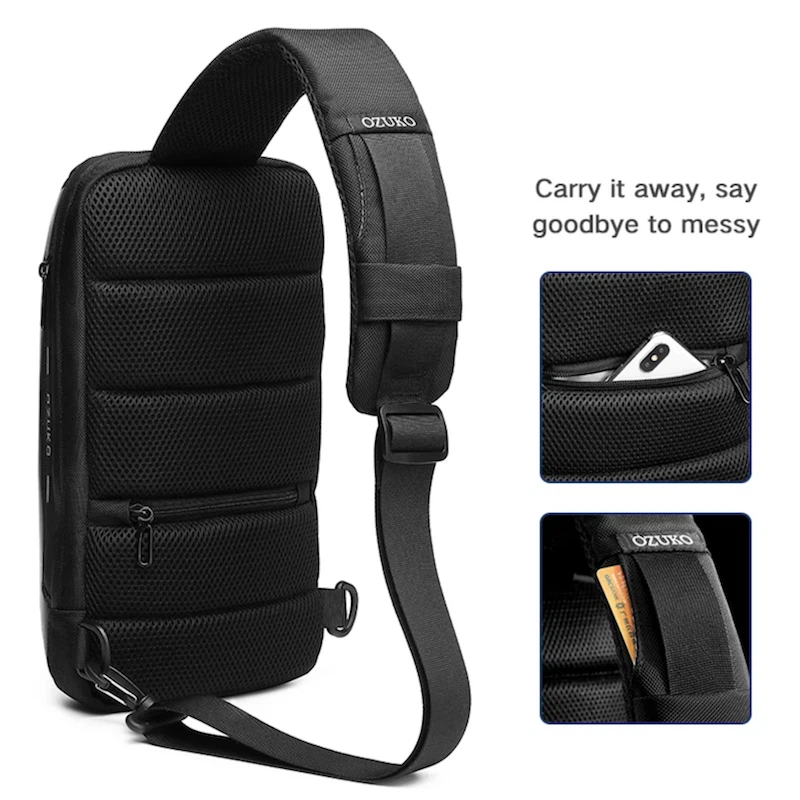
In recent years, there has been a trend towards incorporating smart features into tactical backpacks. For example, some backpacks now come with built - in USB charging ports, allowing soldiers to charge their electronic devices on the go. Others may have integrated GPS tracking systems or sensors that can monitor the user's health and activity levels. These smart features not only add functionality but also change the overall style and appearance of the backpack.
Lightweight and Durable Materials
Advances in materials science have led to the development of lightweight yet highly durable materials for tactical backpacks. For instance, carbon fiber composites and advanced polymers are being used to reduce the weight of the backpack without sacrificing strength. These materials also offer better resistance to water, abrasion, and chemicals, making the backpacks more suitable for harsh environments.
Modular Design
Modular design is another technological advancement that has influenced the style of army tactical backpacks. With a modular design, soldiers can easily swap out different components of the backpack, such as the main body, shoulder straps, or waist belt, to customize it for different missions. This not only provides greater flexibility but also allows for easier maintenance and repair.
4. Fashion and Market Trends
While functionality is the primary concern for army tactical backpacks, fashion and market trends also play a role in their style. As the demand for tactical - style backpacks has grown in the civilian market, manufacturers are increasingly incorporating more fashionable elements into their designs.
Color and Camouflage Patterns
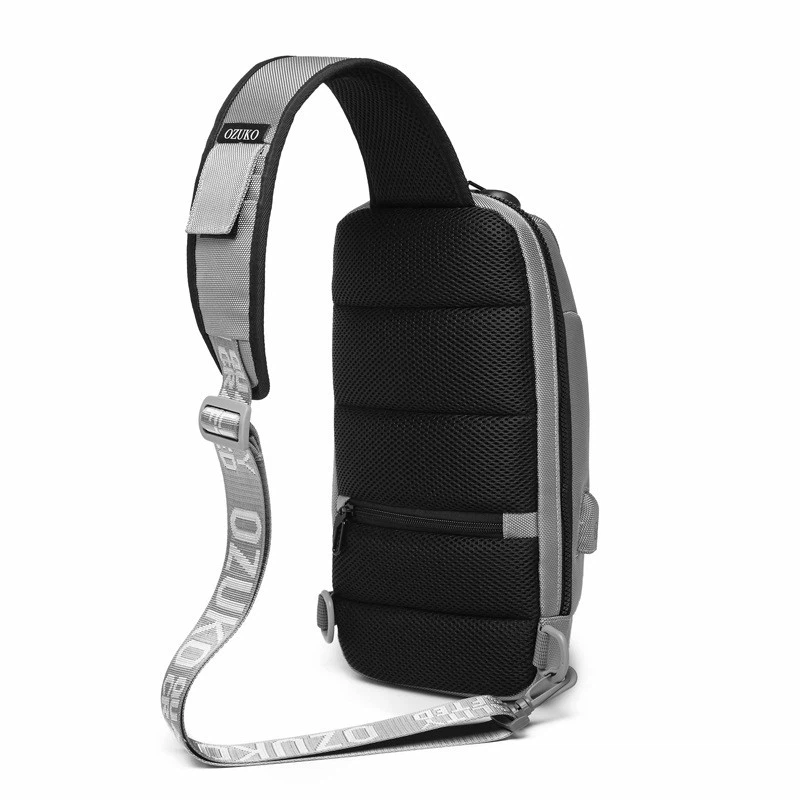
The color and camouflage pattern of a tactical backpack can have a significant impact on its style. In the military, different camouflage patterns are used depending on the environment, such as woodland, desert, or urban. However, in the civilian market, there is also a demand for more stylish and unique color options. Some backpacks may feature bold colors or trendy patterns to appeal to a wider audience. For example, you can check out our Fashion Mens Sling Bag Crossbody for Travel, which combines style and functionality.
Aesthetics and Branding
The overall aesthetics of the backpack, including its shape, texture, and branding, can also influence its style. Some manufacturers are focusing on creating backpacks with a more modern and sleek appearance, while others are emphasizing their brand identity through unique logos and designs. Luxury and anti - theft features are also becoming more popular in the market. Take a look at our Luxury Anti Theft Sling Bag for Mens and Anti Theft Usb Charging Sling Bag, which offer both style and security.
5. Budget Constraints
Budget constraints can also affect the style of army tactical backpacks. The military often has to balance the need for high - quality, functional backpacks with the available budget.
Material Quality
Higher - end backpacks are typically made from more expensive materials, such as premium Cordura nylon or carbon fiber. These materials offer better durability and performance but come at a higher cost. In contrast, budget - friendly backpacks may use more basic materials, which may not be as durable but can still meet the basic requirements of the soldiers.
Feature Set
The number and complexity of features in a backpack can also be influenced by the budget. A more expensive backpack may have advanced features like a built - in hydration system, anti - RFID shielding, or a high - tech harness system. Budget backpacks may have fewer features or more basic versions of these features.
Conclusion
In conclusion, the style of a tactical backpack for the army varies significantly due to a variety of factors, including mission - specific design, user preferences and body type, technological advancements, fashion and market trends, and budget constraints. As a supplier of tactical backpacks for the army, we understand the importance of offering a wide range of styles to meet the diverse needs of our customers. Whether you are a military professional looking for a high - performance backpack for a specific mission or a civilian interested in a stylish and functional tactical - style backpack, we have the right product for you.
If you are interested in purchasing our tactical backpacks or have any questions about our products, please feel free to contact us for a procurement consultation. We are committed to providing the best quality products and services to our customers.
References
- Military Equipment Handbook: Tactical Backpacks, [Publisher's Name], [Year of Publication]
- Journal of Military Technology: Advancements in Tactical Backpack Design, [Volume], [Issue], [Year]
- Market Research Report on Tactical Backpacks, [Research Firm], [Year]


