





Hey there! As a backpack supplier, I've seen my fair share of wet backpacks. Whether it's from a sudden downpour, a splash in a puddle, or an accidental spill, a wet backpack can be a real pain. But don't worry, I'm here to share the best ways to dry your wet backpack and keep it in top shape.
First off, it's super important to act fast. The longer your backpack stays wet, the higher the chances of mold and mildew growing, and that can really mess up your bag. So, as soon as you notice your backpack is wet, start the drying process right away.
Step 1: Empty Your Backpack
The first thing you gotta do is empty out your backpack. Take out all the stuff inside, like books, clothes, and any other items. Check all the pockets and compartments to make sure you don't miss anything. This not only helps the drying process but also gives you a chance to clean out any dirt or debris that might be in there.
Step 2: Shake It Off
Once your backpack is empty, give it a good shake. This helps to get rid of any excess water that's just sitting on the surface. You can do this outside or in a bathtub to avoid making a mess. Just hold the backpack by the straps and give it a few hard shakes.
Step 3: Blot the Water
After shaking off the excess water, use a clean, dry towel to blot the wet areas. Press the towel firmly against the backpack to soak up as much water as possible. You can repeat this process with a few towels until they stop picking up water.
Step 4: Open It Up
Open all the zippers, flaps, and compartments of your backpack. This allows air to circulate inside the bag, which speeds up the drying process. You can also turn the backpack inside out if it's easy to do so. This exposes more surface area to the air and helps the water evaporate faster.

Step 5: Choose the Right Drying Method
Now, let's talk about the different ways you can dry your backpack. There are a few options, and the best one depends on the situation and the type of backpack you have.
Air Drying
Air drying is the safest and most gentle way to dry your backpack. Find a well-ventilated area, like a porch or a room with a fan. Hang your backpack up by the straps or lay it flat on a clean surface. Make sure it's not in direct sunlight, as this can fade the colors and damage the materials. It might take a while for the backpack to dry completely, especially if it's really wet, but it's worth the wait to avoid any damage.
Using a Fan
If you're in a hurry, you can use a fan to speed up the air drying process. Place the fan in front of the backpack and set it to a low or medium speed. Make sure the fan is not too close to the backpack, as this can cause the fabric to warp or shrink. You can also move the fan around every once in a while to ensure even drying.
Using a Dehumidifier
A dehumidifier is another great option for drying your backpack. It helps to remove moisture from the air, which speeds up the evaporation process. Just place your backpack in a room with a dehumidifier and let it do its thing. This is especially useful if you live in a humid climate.
Avoid Using a Dryer
I know it might be tempting to throw your backpack in the dryer, but this is a big no-no. The high heat from the dryer can damage the materials, melt the zippers, and shrink the backpack. So, unless your backpack specifically says it's safe to dry in a dryer, stick to air drying or using a fan.
Step 6: Check for Dryness
Once you think your backpack is dry, give it a good feel. Check all the areas, including the inside and outside, to make sure there's no more moisture. You can also smell the backpack to see if there's any musty odor, which could indicate that it's still damp. If you're not sure, let it dry for a little longer.
Step 7: Clean and Maintain Your Backpack
After your backpack is dry, it's a good idea to give it a quick clean. You can use a mild soap and water to wipe down the surface of the backpack. This helps to remove any dirt or stains that might have accumulated. Make sure to rinse the backpack thoroughly and let it dry completely before using it again.
To keep your backpack in good condition, it's important to take proper care of it. Avoid overloading it, as this can put stress on the straps and seams. Clean it regularly, and store it in a cool, dry place when you're not using it.
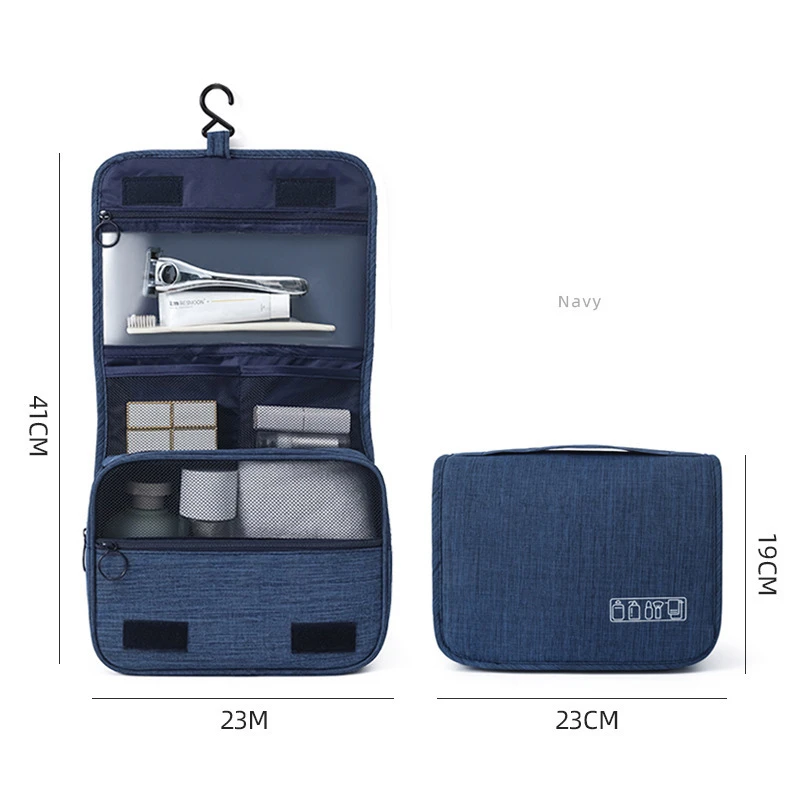
Now, I want to mention some of the awesome backpacks we offer at our store. We have a wide range of styles and sizes to suit your needs. Check out our Portable Toiletry Bag, which is perfect for traveling. It's compact and easy to carry, and it has plenty of compartments to keep your toiletries organized.
If you're a fan of cute and trendy bags, you'll love our Labubu Cartoon Canvas Tote Bag. It's made of high-quality canvas and has a unique design that's sure to turn heads.
For those who need a durable and functional backpack for outdoor activities, our Water Proof 45L Army Tactucal Backpack is a great choice. It's made of water-resistant materials and has plenty of storage space for all your gear.
If you're interested in purchasing any of our backpacks or have any questions, feel free to reach out to us. We're always happy to help you find the perfect backpack for your needs.
In conclusion, drying a wet backpack is not as difficult as it might seem. By following these steps and choosing the right drying method, you can keep your backpack in good condition and ready for your next adventure. Remember, acting fast and being gentle with your backpack are the keys to successful drying.
References
- "How to Clean and Care for Your Backpack" - Backpacker's Magazine
- "Tips for Drying Wet Gear" - Outdoor Gear Lab


